
Over 80% of adults have reported having back pain at some point in their lives. But back discomfort is not a one-size-fits-all condition. The location of your discomfort can provide important clues about its underlying cause, allowing healthcare specialists such as Backstop Chiropractor to help develop the most effective treatment procedures.
In this article, we’ll go over the various areas and back pain anatomy, with a particular emphasis on the lower back. Understanding these pain regions and their potential causes will allow you to get insight into what’s wrong and point you in the right direction.
Back Pain Zones
The back is a complicated structure made up of muscles, bones, joints, nerves, and connective tissues that work together in unison. The back is split into four major regions: the cervical (neck), thoracic (upper back), lumbar (lower back), and sacral portions. Because of their distinct functions and build-up, each of these parts is prone to different types of pain.
#1 Cervical region (neck)
Starting from the top down, the cervical region, or neck area, consists of the first seven vertebrae (C1-C7). Pain in this area can be caused by a variety of factors, including muscular strain from bad posture, nerve compression, and accidents such as whiplash.
Because the neck bears the weight of the head, even minor imbalances or extended odd positions (e.g. staring down at a phone or sleeping funky) can strain the muscles and joints, causing pain. Cervical pain frequently extends into the shoulders and upper back, or down the arms, resulting in symptoms such as headaches, tightness, and even numb hands.
#2 Thoracic Region (Upper and Middle Back)
The thoracic spine, which extends from T1 to T12, makes up the middle of the back. It is the most sturdy section of the spine, linking to the ribs and forming a protective cage for important organs such as the heart and lungs. As a result, this area moves less than other portions of the back, making it less susceptible to repetitive stress injuries. That said, soreness and fatigue aren’t uncommon, but, they typically don’t come with the same level of pain or extensive treatment that the lower back or neck can require.
Upper back pain can still arise as a result of muscle strain, especially from poor posture and stress. Thoracic pain is generally characterized by a dull aching or a burning feeling, and it can sometimes signal underlying problems.
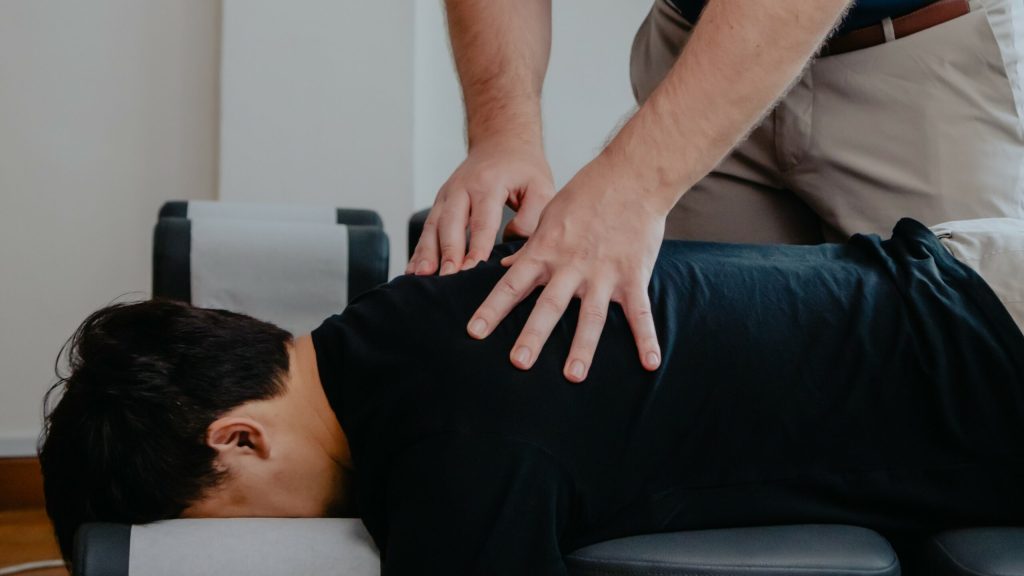
#3 Lumbar region (lower back)
The lumbar spine is the most frequent pain-inducing section of the back.
The lower back, which sits between the ribs and the pelvis, bears the majority of the body’s weight and absorbs trauma from regular movements. Considering how common and painful lumbar region pain is, let’s take a closer look at the root causes and symptoms of lower back pain:
Lower Back Pain: Causes, Critical Muscles, and Treatment
The lower back holds the body’s weight, maintains posture, and allows for a large range of motion, making it particularly vulnerable to strain and injury. Understanding the causes and which muscles stabilize the spine can help explain why lower back pain is so frequent, as well as how to manage it.
Leading Causes of Lower Back Pain:
Lower back discomfort can be caused by a variety of issues, some of the primary causes are:
Muscle Strain and Ligament Sprain
Sudden movements, inappropriate lifting, or repeated motions can stress or tear the lower back muscles and ligaments. Strains and sprains are typical causes of lower back discomfort, which manifests as a dull ache that intensifies with activity.
Herniated or Bulging Disc
Discs are located between each vertebra and serve as spinal cushions. These discs can occasionally herniate or bulge, pressing on adjacent nerves and producing pain, numbness, or tingling that can spread down the leg (typically known as sciatica).
Degenerative Disc Disorder (DDD)
In time, the spinal discs can lose hydration and flexibility, resulting in discomfort and stiffness. DDD is associated with age and can render the lower back more vulnerable to other problems, such as herniation or bone spurs.
Sacroiliac Joint Dysfunction
The sacroiliac (SI) joints unite the lower spine and pelvis, allowing weight to be transferred from the upper to the lower body. Irritation or misalignment of these joints can cause lower back discomfort, which is usually felt on one side and radiates to the buttock.
Muscle Tightness
Lower back discomfort is often caused by muscle tension in the lower back and associated areas, including the quadratus lumborum, iliopsoas, gluteus medius, and hamstrings. Excessive sitting, poor posture, or repetitive movements can cause these muscles to tighten, resulting in issues such as pain, reduced flexibility, and spinal misalignment.
Surrounding spinal muscles’ job is to protect and provide flexibility for the lumbar spine. When these muscles become tight, they pull on the spine and pelvis, creating pressure and sometimes crushing nerves, resulting in discomfort and limited mobility. Stretching, strengthening, and chiropractic support can all assist in relieving tension and improving lower back health.
Back Pain Location Chart: The Muscles
Gluteus Medius
The gluteus medius, located on the outside of the hip, is necessary for pelvic stability. When this muscle is weak or tight, it puts additional strain on the lower back, resulting in compensatory pain. Strengthening and stretching the gluteus medius can help to reduce pressure on the spine and hips.
The quadratus lumborum runs down both sides of the lower back. It supports and protects the spine, allowing for side bending, and pelvic stabilization. A tight or overworked QL can create deep, throbbing pain in the lower back and even alter walking posture, so maintaining this muscle balance is critical.
Iliopsoas (Psoas, Iliacus)
The iliopsoas is a deep muscle that links the lower spine and upper thigh. It’s an important muscle for elevating the leg and supporting the lower back while walking or running. Tightness in the iliopsoas is frequent and can cause an excessive spinal curve (anterior tilt), resulting in lower back pain. Releasing tightness in this muscle can often relieve pain and improve posture.
Signs of Lower Back Pain
- A dull aching confined to one area or side of the lower back.
- Sharp or radiating pain that can extend along the leg (common with sciatica/nerve issues)
- Muscle stiffness or tightness restricts bending or mobility.
- Weakness or tingling in the legs, commonly indicating nerve involvement.

Helpful Treatments for Lower Back Pain
Chiropractic shifts: Adjusts the spine to relieve nerve pressure and increase joint mobility.
Targeted Massage Therapy: Reduces tension in muscles such as the quadratus lumborum, iliopsoas, and gluteus medius, increasing mobility and relieving pent-up tension.
Physical Therapy and Core Strengthening: Increases core and glute strength to support the spine and relieve lower back discomfort.
Posture and lifestyle correction: Maintaining good posture and ergonomic practices helps keep the spine straight and prevents further strain.
Pain Management Techniques: Reduce inflammation by applying cold, heat, and mild stretching. Stay hydrated, keep a balanced diet, and stay active if able.

When should you see a healthcare professional for lower back pain?
While occasional discomfort or stiffness is normal, prolonged or severe lower back pain requires professional attention. If you have symptoms that last more than a few weeks, involve shooting pain down your leg, or cause numbness and weakness, you should see a healthcare professional. Understanding the source of your pain and addressing it immediately allows you to adopt a safer approach.
If you’re thinking about visiting a chiropractor but don’t know if it’s right for you, check out the Advantages of Chiropractic Treatment.
 Back Stop Chiropractor
Leave a comment